
Build Naturally › Lime
ShivCrete · Lime
Lime: the binder that breathes
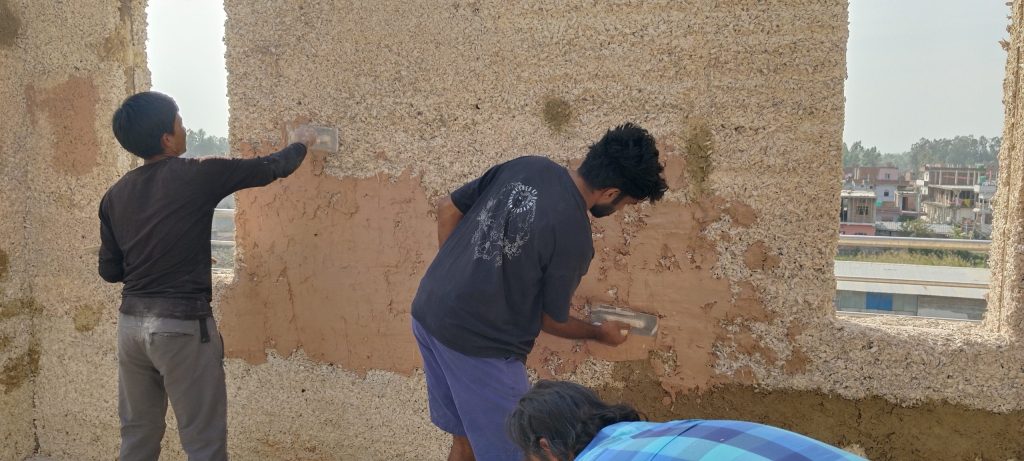
Construction-grade lime, aged lime putty, plasters and natural paints, used on our own sites in Nepal. Before cement, lime held buildings together. It still does it best where walls need to breathe.
Why lime
A living material
It breathes
Lime lets walls release moisture instead of trapping it, so rooms stay drier and fresher.
It moves with the building
Lime plaster is flexible and forgiving, where hard cement renders tend to crack.
It turns back into stone
Lime hardens slowly by taking carbon dioxide back from the air.
It protects bamboo
Bamboo we sealed in lime eight years ago came out of the wall as strong as the day it went in.
The lime cycle
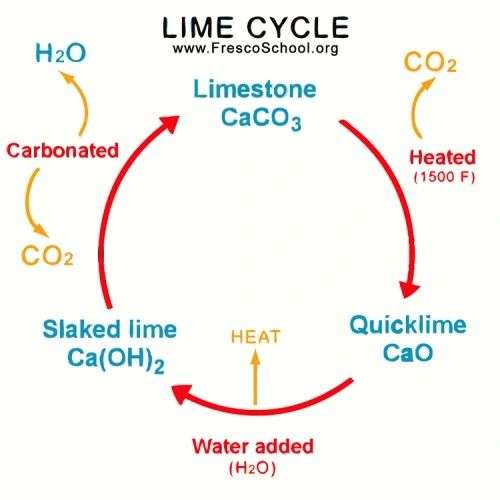
From stone, back to stone
1
Burn
Limestone is heated in a kiln and becomes quicklime.
2
Slake
Quicklime meets water and becomes slaked lime, as a powder or a creamy putty.
3
Set
On the wall, lime takes in carbon dioxide and slowly turns back into limestone.
How we use it
From foundations to finishes
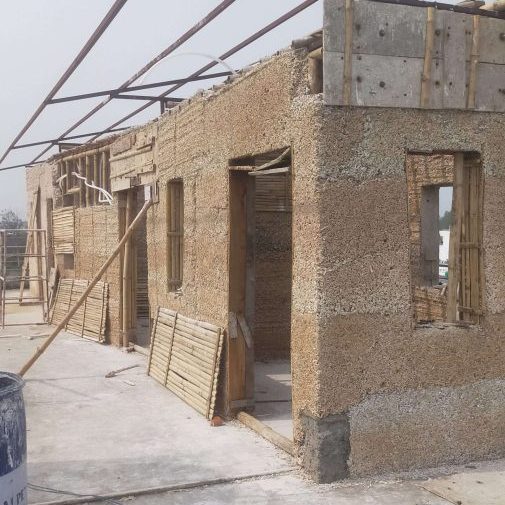
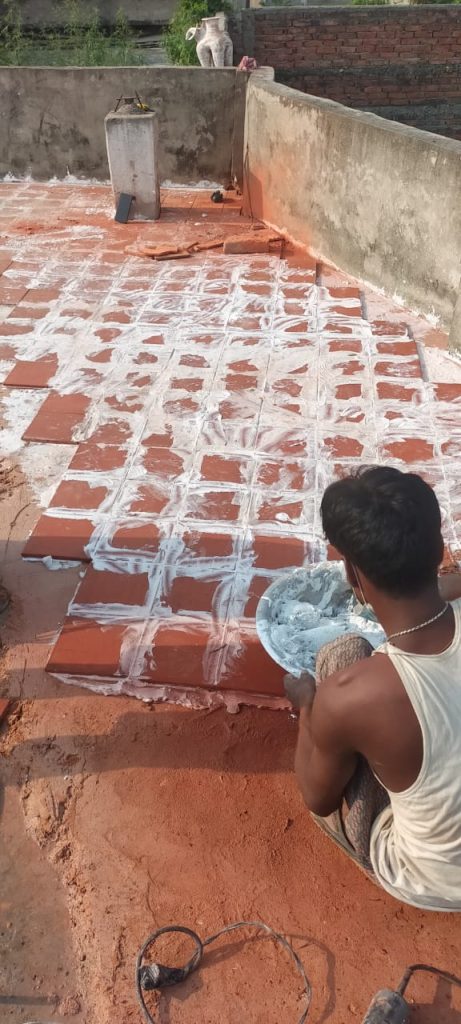
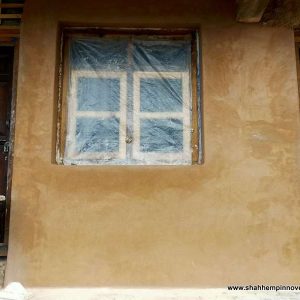
Lime plaster and render
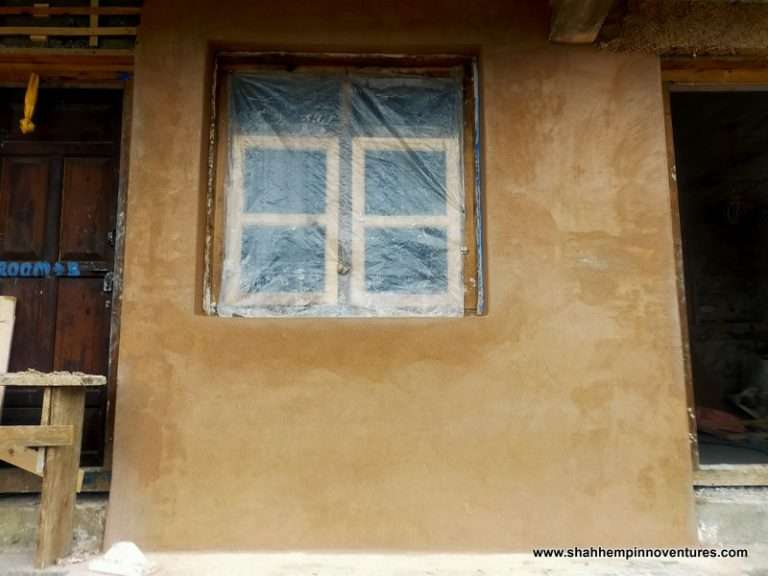
Breathable plaster for hempcrete, brick and stone walls, inside and out.
Lime materials
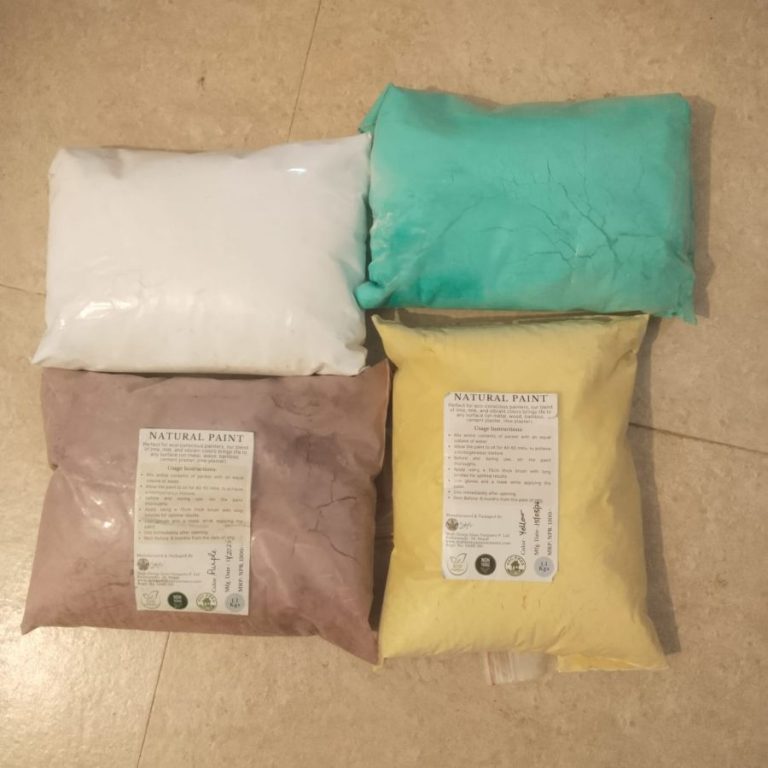
Order lime for your site
Prices for Nepal. For bulk orders and delivery to your site, ask on WhatsApp.
Hydrated Lime (90-95% Purity)
₨ 1,672.0Quicklime (High Calcium Lime)
₨ 1,430.0Aged Lime Putty
₨ 4,520.0Render Pro | Natural Additive for Lime and Clay Plasters
Price range: ₨ 1,638.0 through ₨ 3,095.0


Finishes and wall systems
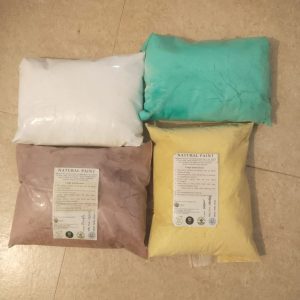
Natural Lime Paint
Price range: ₨ 26.0 through ₨ 1,468.0Natural Soap for Breathable Lime Finishes
Price range: ₨ 1,150.0 through ₨ 4,220.0


Our story
Lime putty was never part of the plan
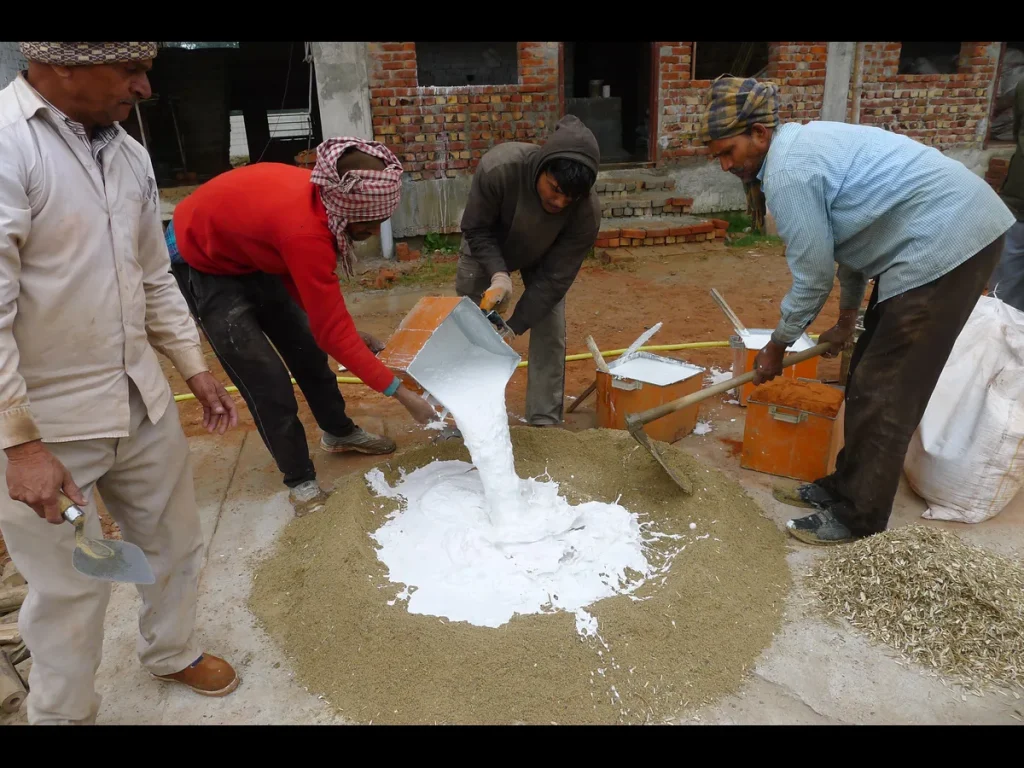
We learned lime from Wolf Jordan, first on a building site in Belgium and then in Janakpur, where we tested local limes for purity and adapted them to our climate. Then a hempcrete project for mountain lodges in Langtang, with roads ending far below the site, made us rethink how lime travels and is prepared. Aged lime putty came out of that.
Questions
Good to know
What is the difference between quicklime, hydrated lime and lime putty?
Quicklime is burnt limestone and reacts strongly with water. Hydrated lime is quicklime slaked into a dry powder. Lime putty is quicklime slaked with extra water and left to mature, which makes it creamy and workable for plasters and finishes.
How does lime set?
Not like cement. Lime hardens slowly by taking in carbon dioxide from the air and turning back into limestone, so it needs time and the right conditions to cure.
How pure is your hydrated lime?
Our hydrated lime is 90–95% pure, suitable for construction, plasters and hempcrete.
What can go wrong when building with lime?
Most problems come from rushing it, drying it too fast or mixing it like cement. We wrote down the ten most common mistakes and how to avoid them: read the article.
Do you deliver?
Yes, across Nepal. Ask on WhatsApp for bulk prices and delivery to your site.
Read more
Learn about lime
Working with lime?
Tell us what you are building. We’ll suggest the right lime, the mix and how to apply it.