
How a Mountain Project Changed the Way We Understand Lime at Shah Hemp Inno-Ventures. Some of the most important lessons in natural building have not come from textbooks, laboratories, or product catalogues. They emerge unexpectedly — from difficult terrains, failed assumptions, transportation challenges, climatic realities, and moments where a project forced us to completely rethink the way materials are approached. Our journey with lime putty at Shah Hemp Inno-Ventures began in exactly this way.
At the time, we were deeply involved in natural construction systems and experimenting with lime-based finishes, plasters, and hempcrete applications. We were fortunate to spend meaningful time learning from Wolf Jordan, who first introduced us to the beauty and significance of lime putty. What made the experience valuable was that the learning was not theoretical. We had the opportunity to work alongside him on a construction site in Belgium, observing how carefully refined lime systems were approached in practice — not merely as building products, but as materials that required patience, understanding, and respect. Later, he also spent a couple of weeks with our team in Janakpur, where together we explored locally available limes, tested their purity, studied their behavior, and experimented with ways to adapt lime technologies to our climate and local resources.
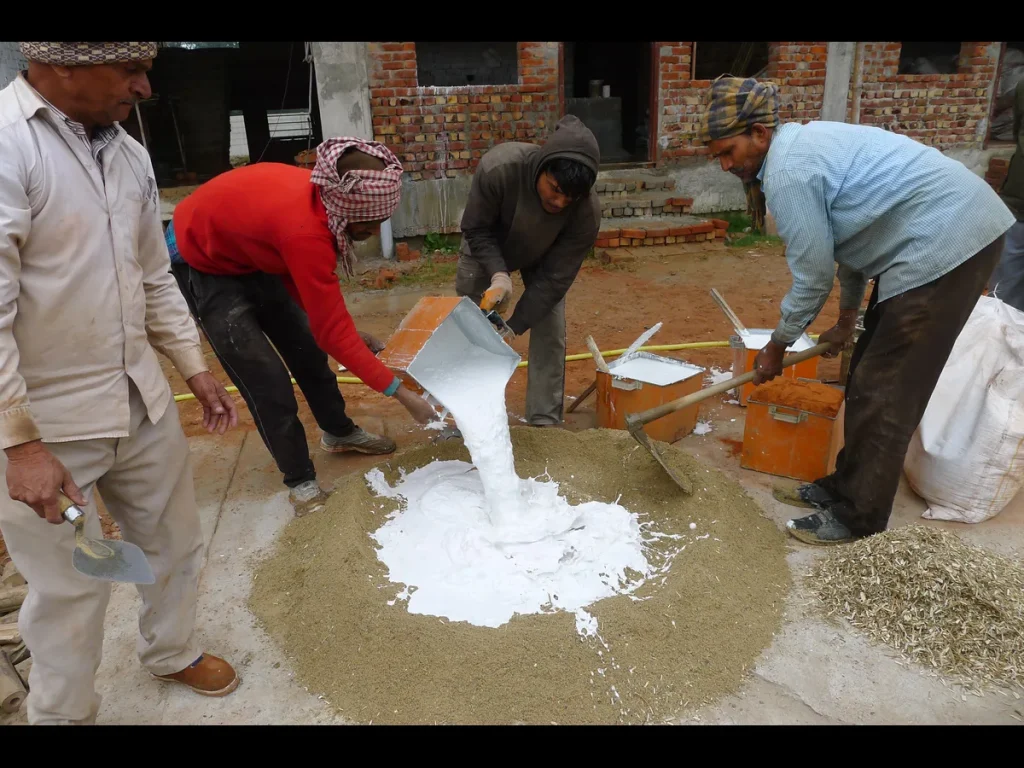
One thing became increasingly clear during this process: Natural building cannot simply imitate systems developed elsewhere. Materials respond differently depending on climate, water, soil, craftsmanship, and local construction culture. A material that performs beautifully in one geography may fail entirely in another if used without understanding its local context.
That understanding became especially important during the process of insulating lodges in Langtang Valley with Hempcrete, project was initiated by Atmosfair, where Shah Hemp Inno-Ventures served as both the material provider and knowledge partner.
As the project planning moved forward, we encountered a challenge that completely shifted our relationship with lime. The motorable roads only extended up to a certain point in the mountains. Beyond that, every construction material had to travel through long Himalayan trails on the backs of mules. Initially, transporting hydrated lime powder appeared to be the obvious solution. But the more we reflected on the realities of the terrain — the unpredictable rains, the difficult routes, the reactive nature of lime powder — the more uncomfortable the decision felt.
We soon realized that transporting hydrated lime powder in such conditions could potentially be harmful to the animals carrying it, especially to their skin and wellbeing during wet and prolonged journeys. And that was the moment lime putty stopped being an interesting idea and started becoming a necessary solution. To begin manufacturing lime putty, we shifted toward a more traditional slaking process using fresh quicklime stones.Lime Putty Processing in Nepal
Making Lime Putty in Nepal
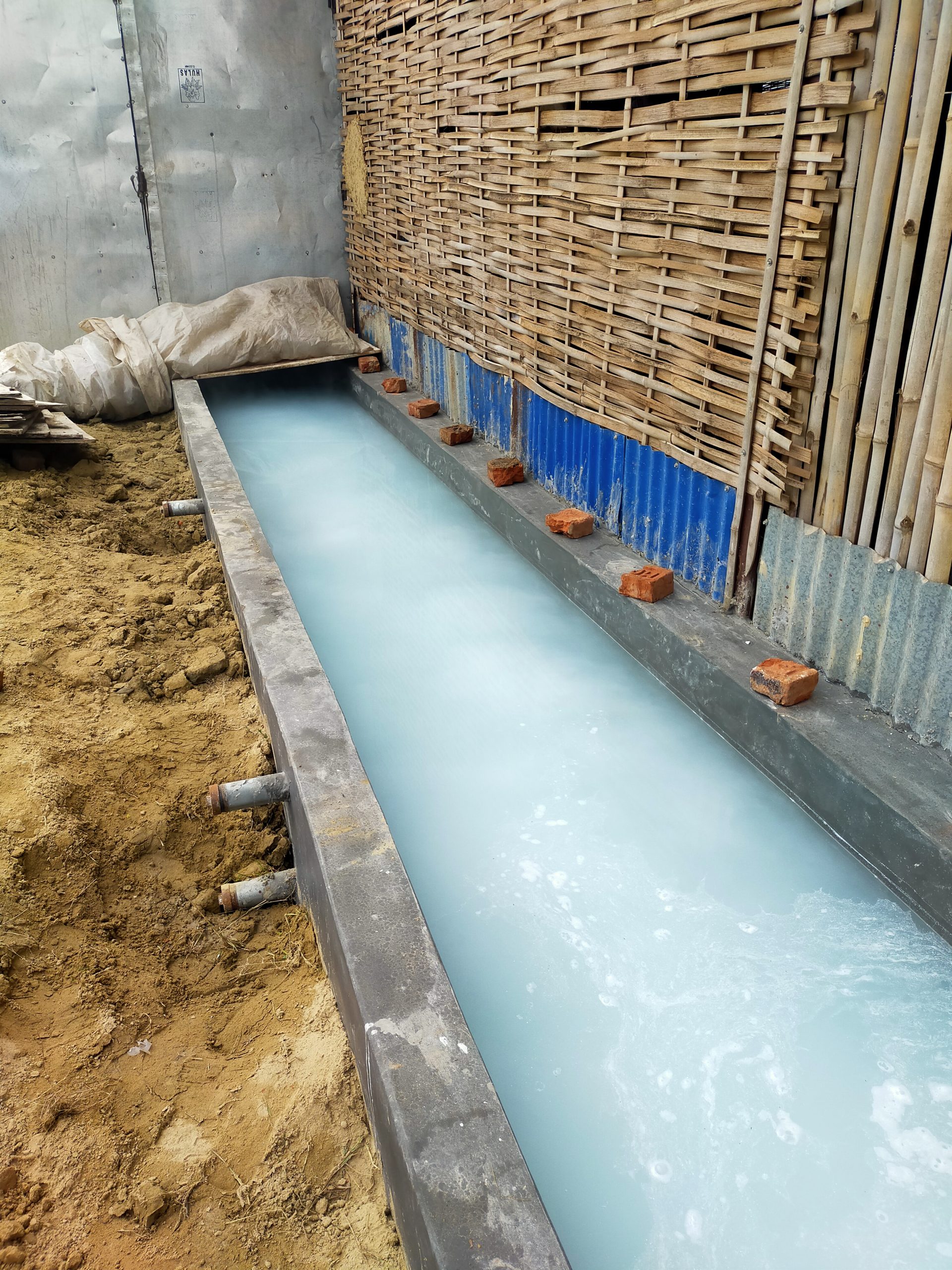
At Shah Hemp Inno-Ventures, we developed our own slaking and processing setup. Fresh quicklime stones were carefully introduced into a custom pan mixer system with continuously running water, while workers equipped with proper protective gear managed the highly reactive process. The experience itself was fascinating. The quicklime reacted intensely as it slaked, gradually transforming into lime slurry, which was then filtered and transferred into storage tanks for maturation.
But what truly changed our understanding of lime was what happened afterward.
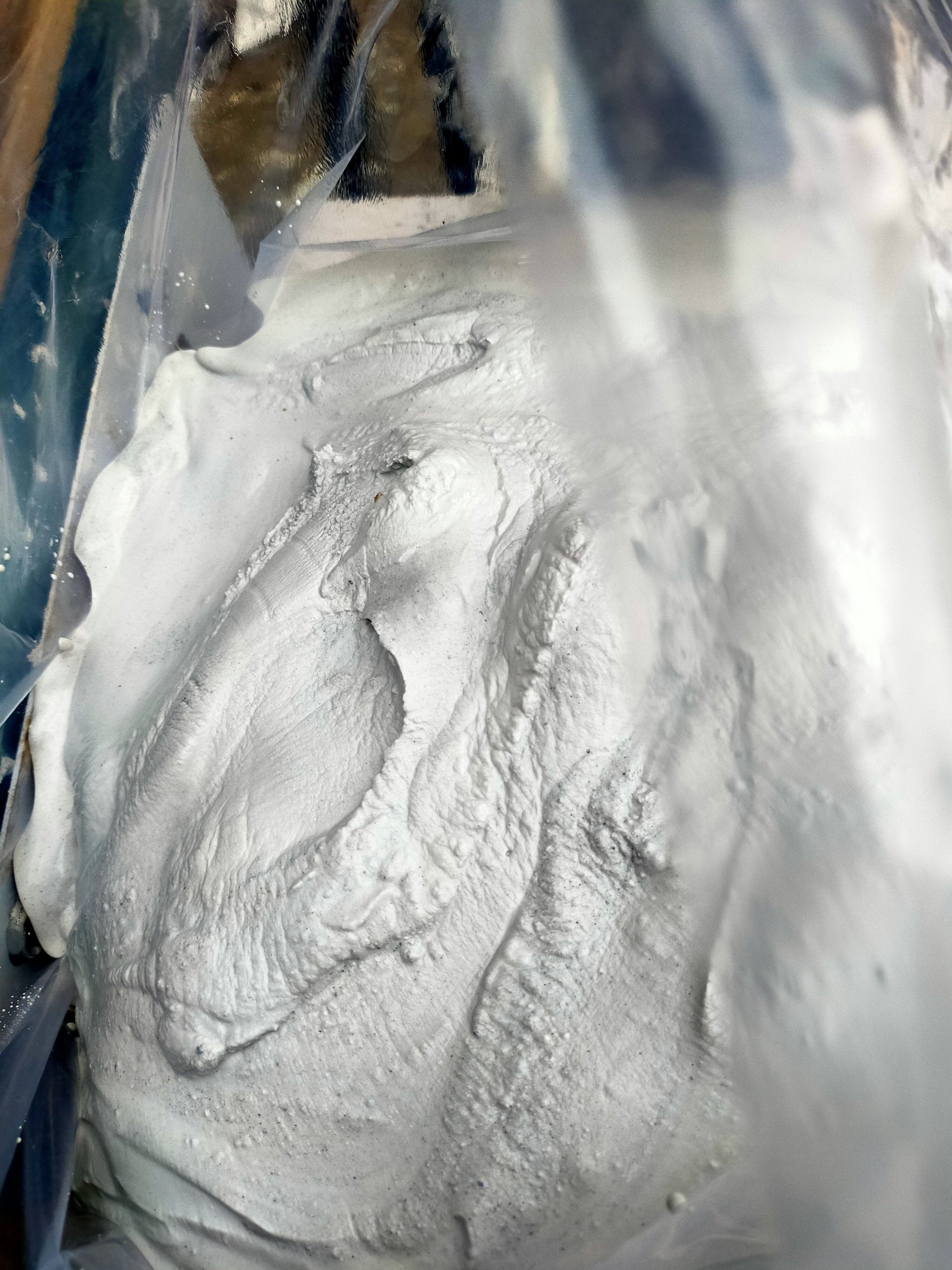
Day after day, the material continued to evolve. Lime particles continued to absorb water and became finer, softer, smoother, and more stable. The texture transformed. The workability improved. The material almost seemed to mature with time. For us, this was a profound realization. Lime was not merely a construction material. It behaved like a living material — something that revealed its true qualities only through patience and time.
At the same time, the challenge was not limited to manufacturing alone. We also had to rethink the entire system surrounding the material — from production to packaging to transportation. Because lime putty contains moisture and continues to mature over time, identifying the right packaging system became extremely important. The packaging had to be waterproof, leak-proof, airtight, and strong enough to survive difficult mountain transportation conditions while maintaining the appropriate moisture levels within the material. This led us to develop double-packaging systems and transportation methods that could safely protect the lime putty through long and demanding journeys into remote Himalayan regions. In many ways, the project forced us to think beyond material production and toward complete material ecosystems.
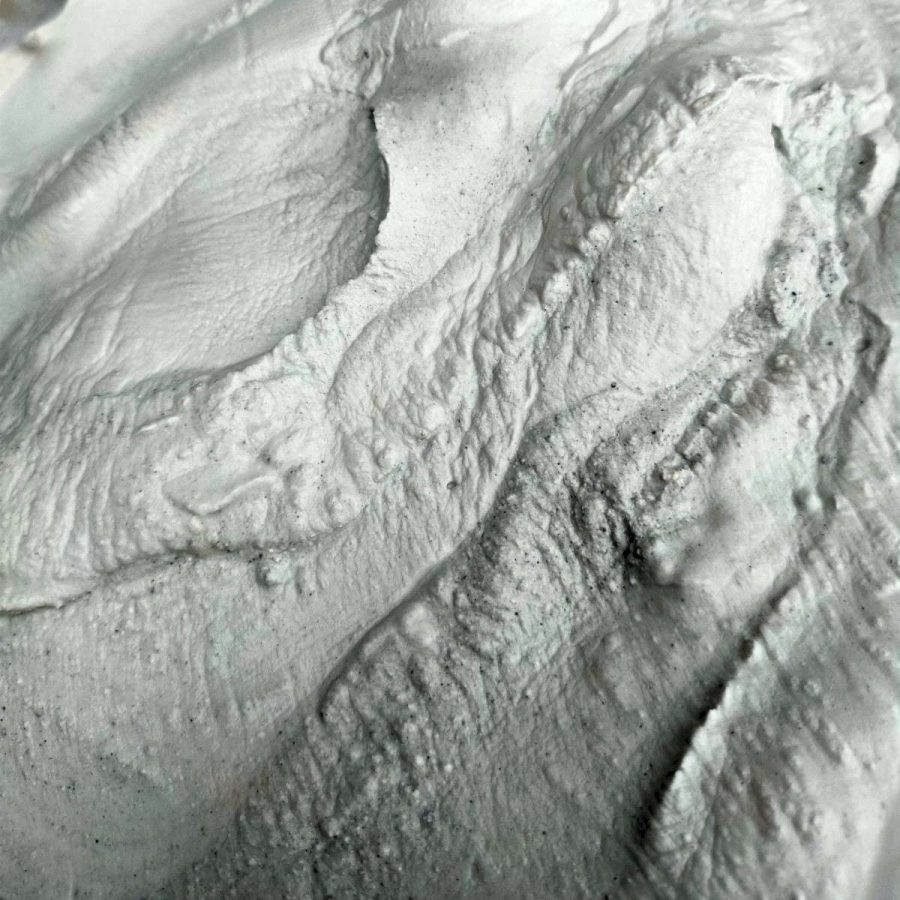
Years later, some of those same lime putties still remain with us. Today, we are fortunate to work with lime putties that are six to seven years old, and the experience of working with them is extraordinary. The texture becomes exceptionally silky, making them invaluable for premium lime finishes and lime washes. The surfaces created using aged lime putty possess a softness, depth, and natural sheen that are incredibly difficult to achieve through modern chemical-heavy finishing systems.
What began as a practical necessity for a remote mountain project unexpectedly became one of the most valuable materials within our natural building journey. And perhaps that is one of the most beautiful aspects of natural construction.
The industry constantly teaches us that innovation must come from factories, machines, and industrial systems. But sometimes, the most meaningful innovations emerge from constraints, observation, local realities, and a willingness to work more closely with nature instead of trying to overpower it.
In many ways, lime putty taught us that natural building is not just about constructing walls. It is about building a deeper relationship with materials, climate, craftsmanship, logistics, ethics, and time itself.
Are Natural Homes Strong vs Concrete
Are Natural Homes Strong vs Concrete In the world of construction, concrete has long been…
Lime Putty Was Never Part of the Plan
Lime Putty Lime Putty storage tanks How a Mountain Project Changed the Way We Understand…
Why Dogs Choose Hemp – A Warm Story of Instinct, Comfort & Natural Living
Our journey with hemp didn’t begin with strategy, vision boards or even a clear plan….
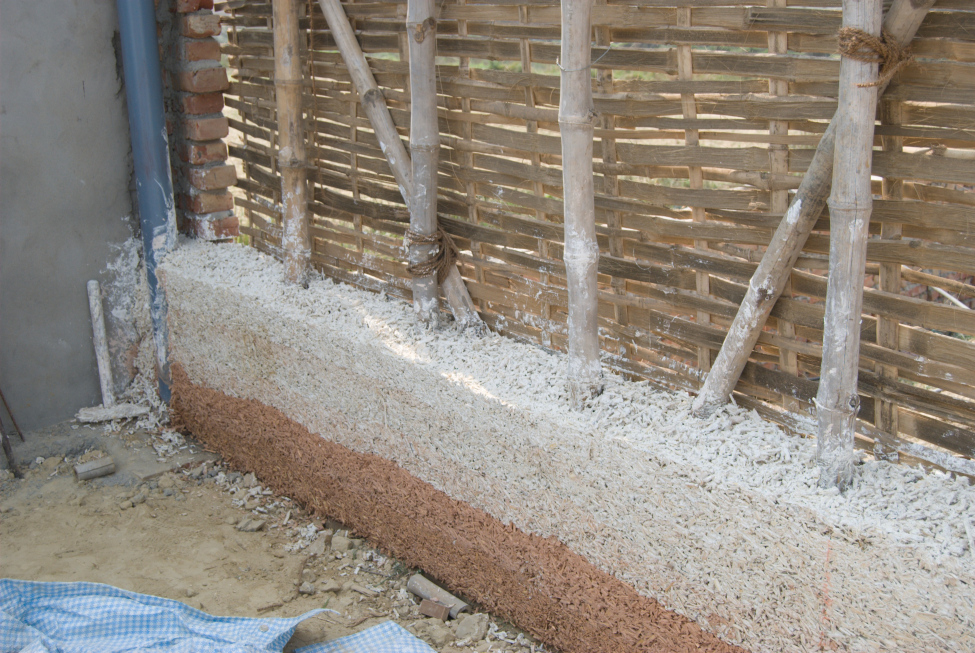
The Psychology of Natural Building
What 10 Years in the Natural Building Industry Taught Me About Shelter, Comfort, and Human…
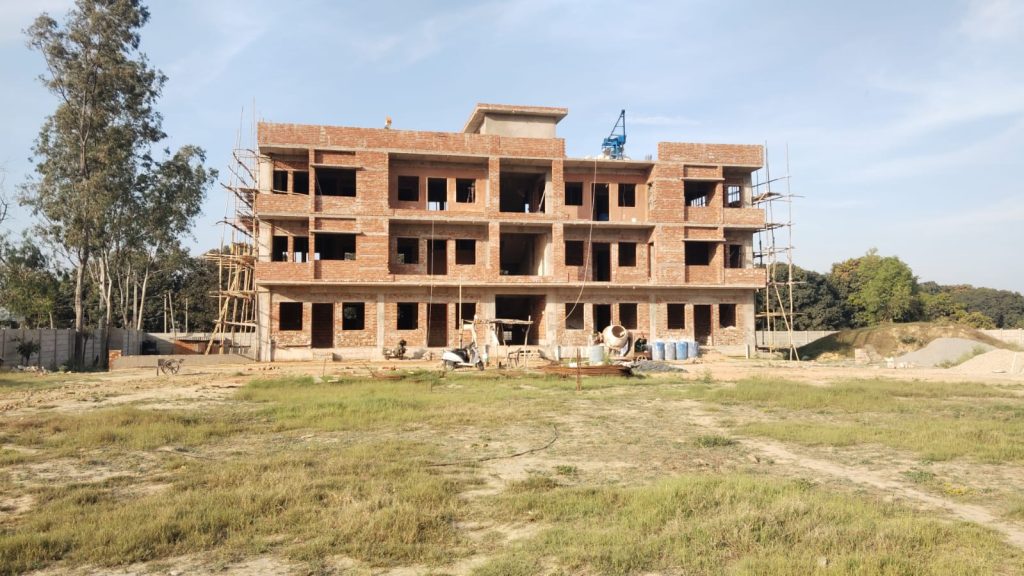
Life Care Home | Meerut, UP, India
Disha Life Care Home | Meerut, UP, India Disha Life Care Home is a special-needs…

Becoming a “Natural Builder” — 10 Years of Learning by Building Naturally.
Ten years ago, when I first started working with hempcrete, I didn’t know I was…
