
Ten years ago, when I first started working with hempcrete, I didn’t know I was stepping into the journey of becoming a natural builder. I thought I was just experimenting with a new material. Over time, I realised that natural building is not about one material — it is about a way of understanding construction itself.






Who is a Natural Builder?
A natural builder is someone who learns from the site more than from a catalogue.
You don’t begin with a fixed idea of what a building should look like. You begin by observing — the soil, the sun, the wind, the people who will live there. You understand what the place is asking for before deciding what to build.
Natural building is not about rejecting modern tools or techniques. It is about building with awareness — choosing materials and methods that work with nature instead of against it.
Good Natural Building vs Poor Natural Building
Using natural materials does not automatically make a building good.
I have seen natural homes fail because people assumed that natural means casual. It doesn’t. Precision matters even more. The quality of lime, bamboo, or hemp is important, but how they are used is even more important.
Simple tools — a water level, a plumbing level, proper cutting and joining tools — make the difference between a structure that lasts and one that struggles.
Natural building looks simple, but behind that simplicity is discipline. When that discipline is missing, even the best materials cannot perform.
Understanding the Structure Before the Material
When we talk about bamboo, lime, or hemp-clay, we often focus only on the material. But natural building begins by understanding the structure as a whole.
Every space must be seen in layers:
- the foundation
- the walls
- the roof
- the flooring
At the same time, you read the site — where the sun moves, how the wind flows, how moisture behaves. Each decision becomes a response to these conditions.
Natural building is not one fixed formula. It is a series of choices — what fits where, and why.
Beyond Eco-Friendly — Looking at Toxicity
Today many buildings are called eco-friendly, but the real question is deeper: how toxic is the space we are creating?
The coatings we apply — paints, finishes, sealants — often decide the health of a building more than the structure itself. A wall can be made with natural materials and still become harmful if covered with heavy chemical layers.
For me, natural building is less about labels and more about reducing toxicity — for the environment and for the people living inside.
The Question of Cost
People often ask whether natural building is cheaper. The truth is, cost depends on context.
If you are building in a place where natural materials are available and you know how to work with them yourself, construction can be very economical. But in dense urban environments, where supply chains are dominated by industrial materials and construction relies heavily on contractors, natural building may cost more.
So cost is not a definition of natural building. It is a reflection of where and how you choose to build.
Not a New Trend — A Return to What We Already Knew
Natural building is not new. For centuries, people built with bamboo, earth, lime, and plant-based materials. Homes were designed for comfort, climate, and community.
The Industrial Revolution changed this rhythm. Cement, chemicals, and manufactured systems created industries that depended on each other. Natural materials, which could not be patented or owned, slowly disappeared from mainstream construction.
What we are doing today is not inventing something new. We are remembering something that was always there.
Building for the Planet — and for Ourselves
Natural building is often spoken about as an environmental movement. But over the years, I have realised that it is equally about us — about how spaces make us feel.
Modern interiors filled with bright lights and heavy finishes may look attractive, but they can overstimulate our senses and disconnect us from a natural rhythm.
When we build naturally, we are not only reducing impact on the planet. We are creating spaces that allow people to breathe, rest, and feel grounded.
Becoming a “Natural Builder” — 10 Years of Learning by Building Naturally.
Ten years ago, when I first started working with hempcrete, I didn’t know I was…
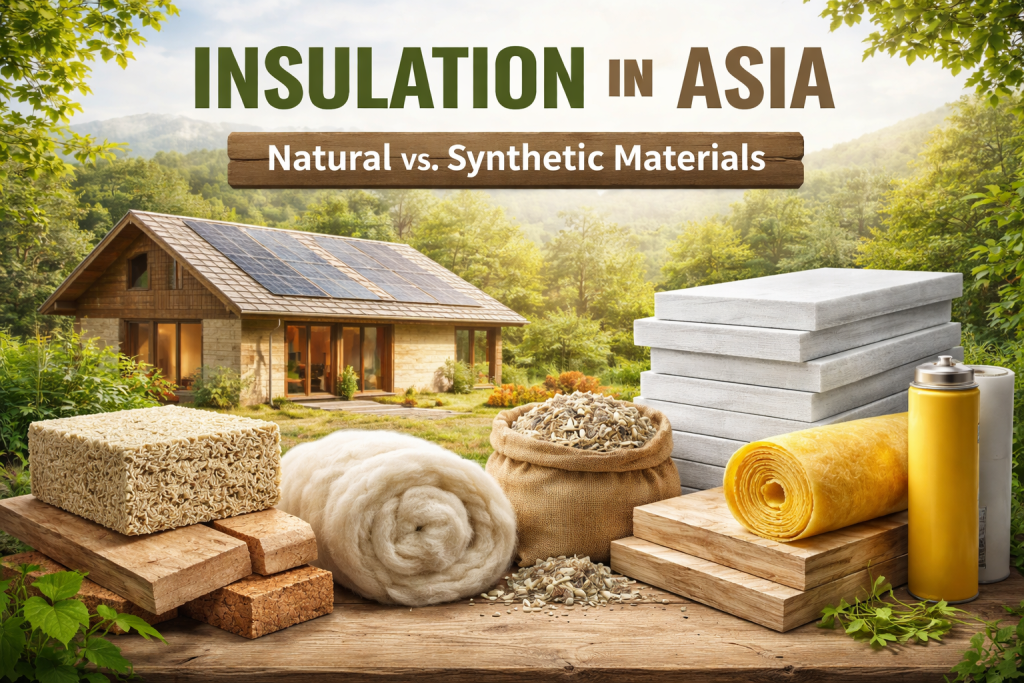
Rethinking Insulation in Asia: Natural vs Synthetic Materials and the Future of Sustainable Buildings
For a long time, insulation in Asia was not really part of the building vocabulary….
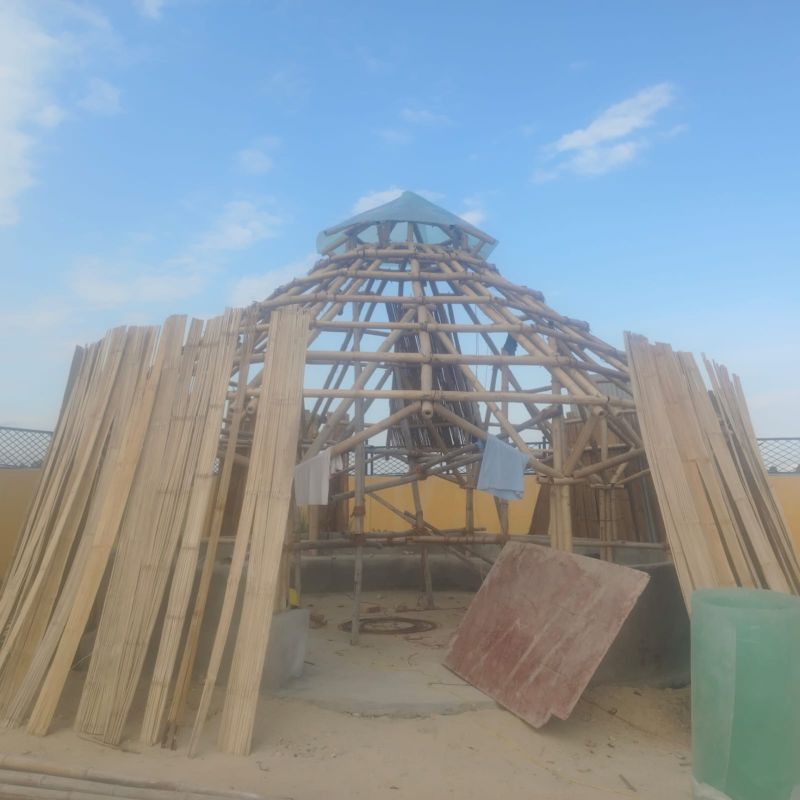
Bamboo Gazebo | Madhesh Pradesh
Location : Chirreshwornath, Musharniya Mukhiyapatti, Dhanauji Kataiya in Dhanusha District, NepalProject Type: Public Infrastructure Completion Date: 08/2025Client:…
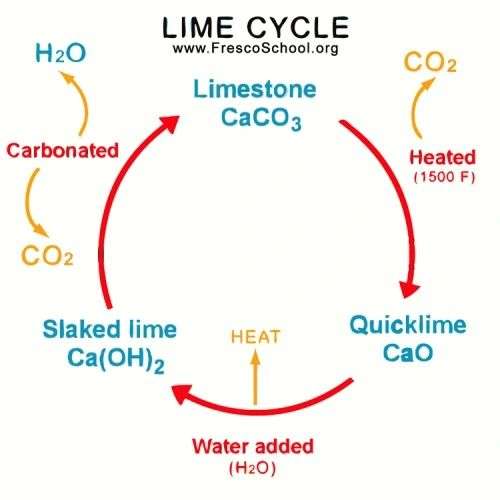
The Lime Cycle: Understanding the Science of Nature’s Most Regenerative Building Material
If there’s one material that has stood the test of time — from ancient temples…
Becoming Nepal’s First B Corp Certified Company: Our Journey, Lessons, and Reflections
In February 2024, Shah Hemp Inno-Ventures became the Nepal’s first B Corp certified company —…

Wood-Pressed Oils: Why Going Back to Our Roots Might Be the Healthiest Choice
In the world of health, we talk a lot about good fats vs. bad fats,…
